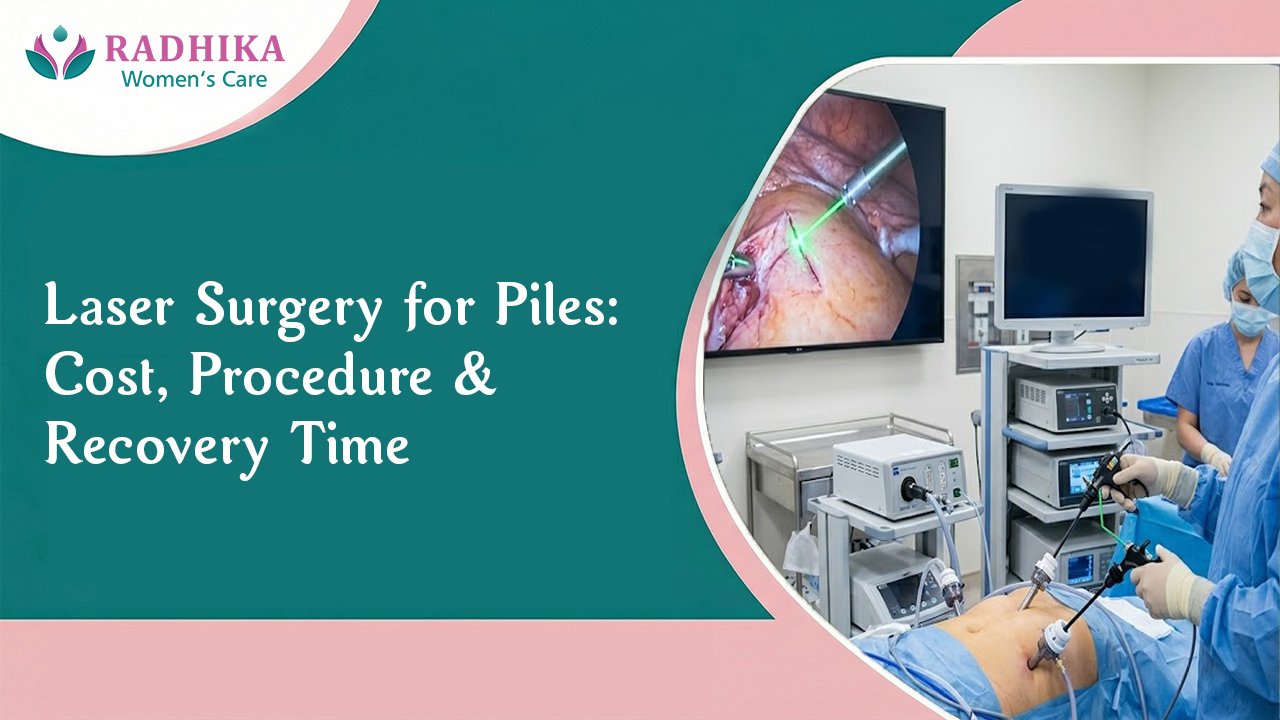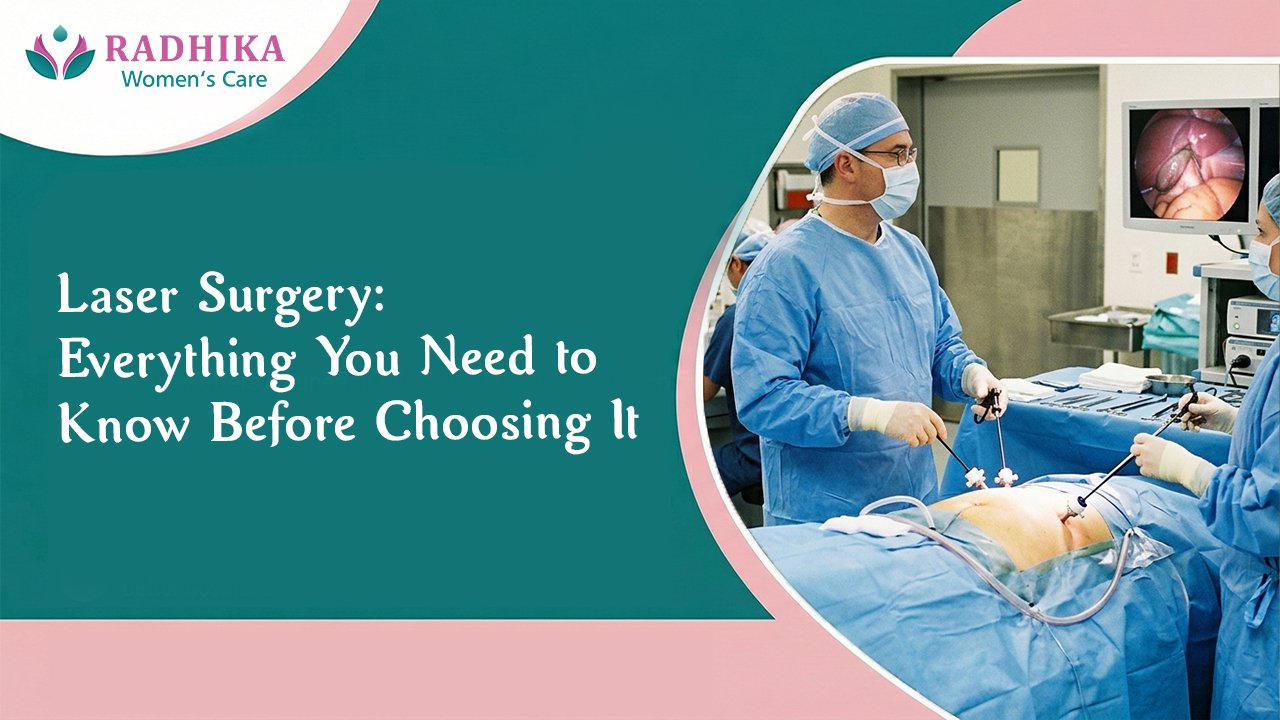
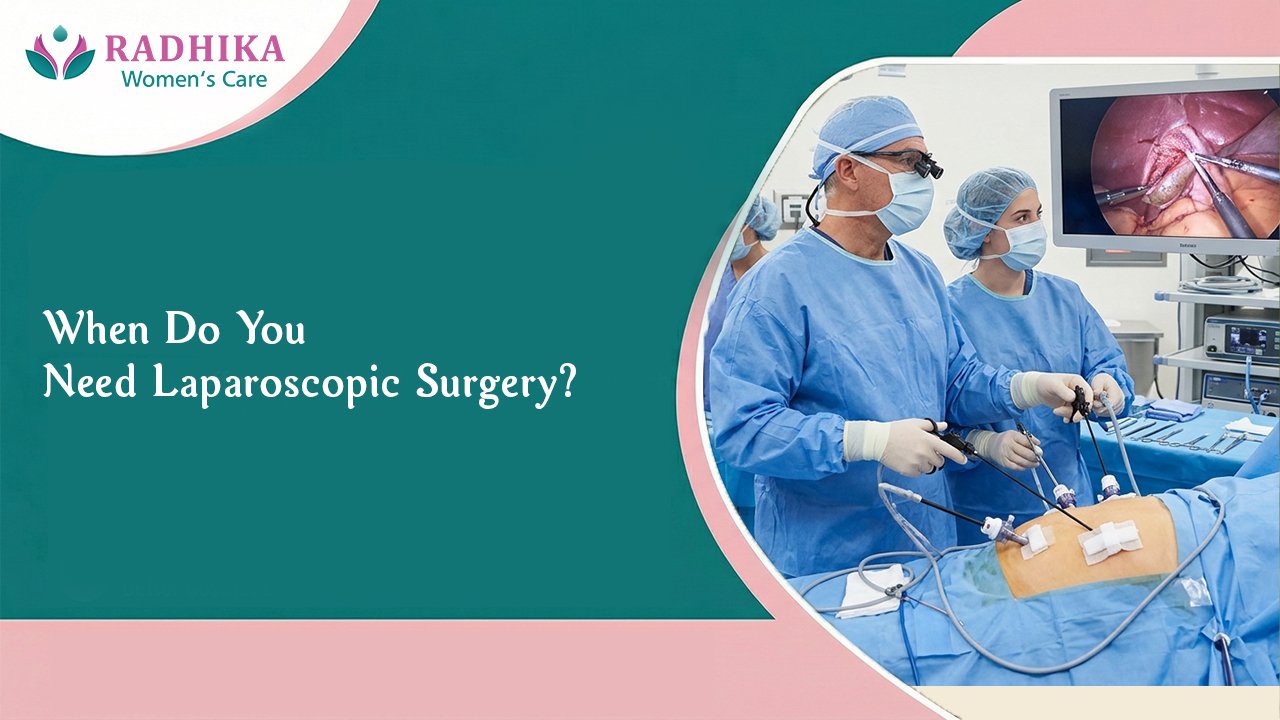
Laparoscopic surgery is a type of surgery done using small cuts instead of one large cut. A thin camera goes inside the belly through a small opening. The surgeon watches the inside organs on a screen and treats the problem with special tools.
Because the cuts are small, many people choose laparoscopic surgery in Surat for faster recovery, less pain, and smaller scars. Still, one common question is: When do you actually need laparoscopic surgery? This guide explains the common signs, conditions, and situations where doctors may suggest laparoscopy.
If you are looking for a laparoscopic surgery specialist, or you want treatment options in areas like Adajan, this will help you understand when surgery may be needed.
What Is Laparoscopic Surgery?
Laparoscopic surgery (also called minimally invasive surgery) is used to diagnose or treat problems inside the abdomen and pelvis.
In most cases, the surgeon:
- Makes 2 to 4 small cuts
- Inserts a camera through one cut
- Uses small instruments through the other cuts
- Repairs or removes the cause of the problem
This technique is widely used for gallbladder problems, hernia, ovarian cysts, fibroids, appendix issues, and other abdominal conditions.
When Do You Need Laparoscopic Surgery?
Doctors usually consider laparoscopy when:
- Medicines are not helping
- The problem keeps coming back
- Tests show a condition that needs surgical treatment
- Diagnosis is unclear and direct viewing is needed
- There is risk of infection, bleeding, or worsening pain
You may be advised to consider laparoscopy if you have symptoms like:
- Ongoing abdominal pain that does not improve
- Pelvic pain that keeps returning
- Heavy or irregular periods with pain
- A visible swelling in the groin or abdomen (possible hernia)
- Severe pain after meals with nausea (possible gallstones)
- A cyst or fibroid seen on ultrasound
- Signs of infection inside the abdomen
A major benefit is that, in some cases, the doctor can confirm the diagnosis and treat it in the same procedure.
Read More: What Is Laparoscopic Surgery? Procedure, Uses & Benefits
Conditions Commonly Treated With Laparoscopy
1) Ovarian Cyst Removal
Ovarian cysts may cause pain, bloating, or irregular periods. If the cyst is large, painful, or suspicious on scans, laparoscopic surgery for cyst removal may be recommended to remove it safely while protecting nearby organs.
2) Uterus and Pelvic Problems
Laparoscopy is often used for conditions like:
- Endometriosis
- Fibroids
- Chronic pelvic pain
- Certain cases of abnormal uterine bleeding
Depending on the problem, the surgeon may remove tissue growth, remove fibroids, or treat the cause of pain.
3) Gallbladder Stones (Gallstones)
Gallstones can cause sharp upper abdominal pain, vomiting, gas, and indigestion. If attacks are repeated or severe, laparoscopic gallbladder removal is one of the most common and effective treatments.
4) Hernia Repair
A hernia often looks like a swelling or bulge, usually in the groin or abdomen. It can cause discomfort, pulling pain, or burning. Laparoscopic hernia repair helps fix the weak area with small cuts and usually a quicker return to routine life.
5) Fibroid Treatment
Fibroids can lead to heavy bleeding, low energy, pelvic pressure, and pain. In many cases, laparoscopic surgery for fibroid can remove fibroids while keeping the uterus, depending on size, number, and location.
Who Is a Good Candidate for Laparoscopic Surgery?
A doctor may suggest laparoscopy for patients who:
- Have symptoms that do not improve with medical treatment
- Have repeated episodes of pain (especially gallbladder pain)
- Have a confirmed diagnosis on ultrasound, CT scan, or MRI
- Need surgery but want smaller scars and faster recovery
- Need evaluation for pelvic issues, including infertility in some cases
Many patients exploring laparoscopic surgery in Adajan and Surat prefer it because the hospital stay may be shorter and the recovery is often smoother than open surgery.
Why Do Doctors Recommend Laparoscopy?
Doctors may recommend laparoscopy because it often leads to:
- Smaller cuts and smaller scars
- Less pain after surgery
- Lower chance of wound infection
- Shorter hospital stay in many cases
- Faster return to daily activities
That said, laparoscopy is not the best option for every patient. The final decision depends on the condition, past surgeries, overall health, and emergency level.
Symptoms You Should Not Ignore
Book a surgical consultation if you have:
- Abdominal pain that lasts for days, or keeps returning
- Heavy bleeding or bleeding between periods
- Severe period pain that disrupts daily life
- Vomiting with upper belly pain after eating
- A growing lump or swelling in the groin/abdomen
- Sudden sharp pain with fever or weakness
A laparoscopic doctor in Surat can guide you on what tests are needed and whether surgery is required.
Is Laparoscopic Surgery Better Than Open Surgery?
| Laparoscopic Surgery | Open Surgery |
| Small cuts | Large cut |
| Less pain | More pain |
| Quick recovery | Slow recovery |
| Less infection risk | Higher risk |
| Short hospital stay | Longer stay |
Read more : Why Is Laparoscopic Surgery Better Than Open Surgery?
FAQs
Is laparoscopic surgery painful?
Most people feel mild to moderate pain after surgery, but it is usually manageable with medicine. Pain is often less than open surgery.
How long does laparoscopic surgery take?
Many procedures take about 30 minutes to 2 hours, depending on the condition and complexity.
How long is recovery after laparoscopy?
Many patients return to light routine work in 3 to 7 days. Full recovery may take 2 to 3 weeks, depending on the surgery type and your health.
Is laparoscopy safe for women?
Yes. It is widely used for ovarian cysts, fibroids, endometriosis, and some infertility evaluations. Safety improves when the procedure is done by an experienced specialist.
Conclusion
Laparoscopic surgery is a trusted option for treating many abdominal and pelvic conditions. It is commonly used for gallstones, hernia, fibroids, ovarian cysts, and other uterus related problems. If you have ongoing pain, heavy bleeding, swelling, or repeated attacks of symptoms, it is worth consulting a specialist to understand whether laparoscopy is right for you.
If you are considering laparoscopic surgery in Surat or Adajan, meet a qualified surgeon, review your reports, and discuss the best treatment plan based on your exact condition.
Explore Trusted Women’s Wellness Solutions at Radhika Womens Care