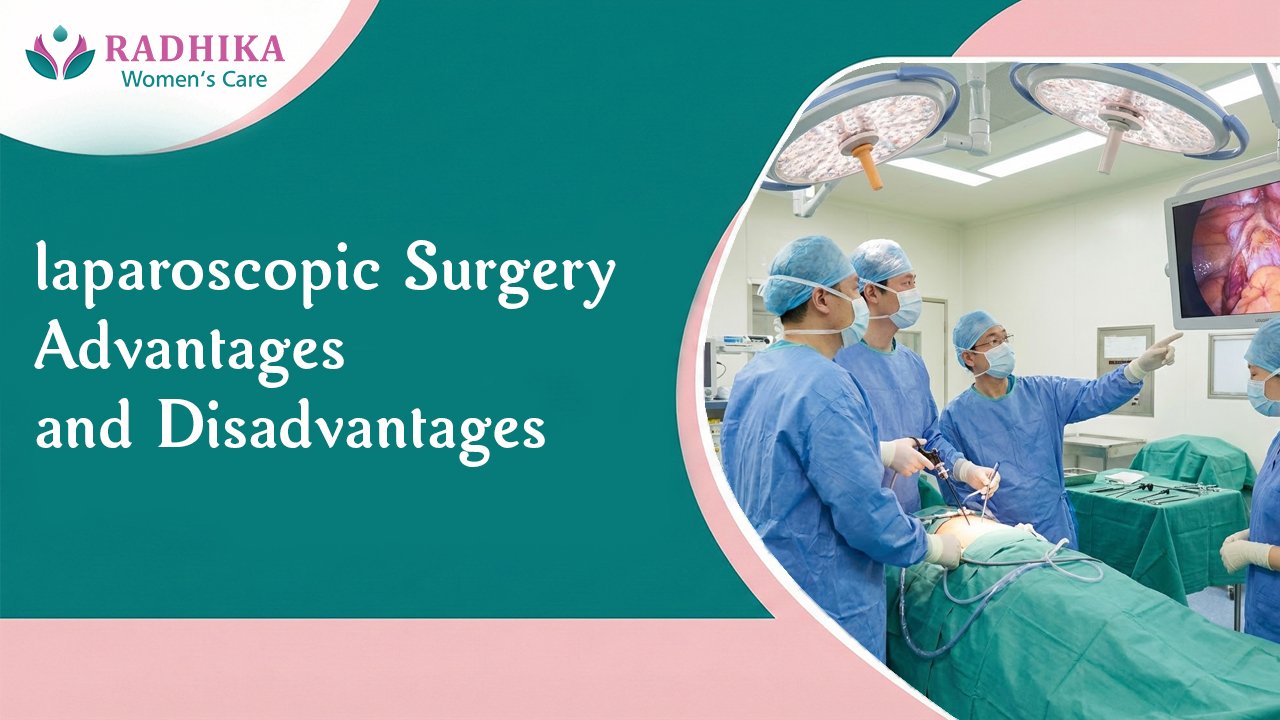
Laparoscopic surgery uses small cuts and a camera to do surgery with less pain and faster recovery, but it is not right for everyone. If you are deciding between laparoscopy and open surgery, you probably care about pain, scars, safety, cost, and whether you can go home the same day.
In this guide, you will learn what laparoscopic surgery is, the main benefits and limits, and how it compares with open surgery. Use it to prepare for a clear talk with your surgeon.
What is Laparoscopic Surgery?
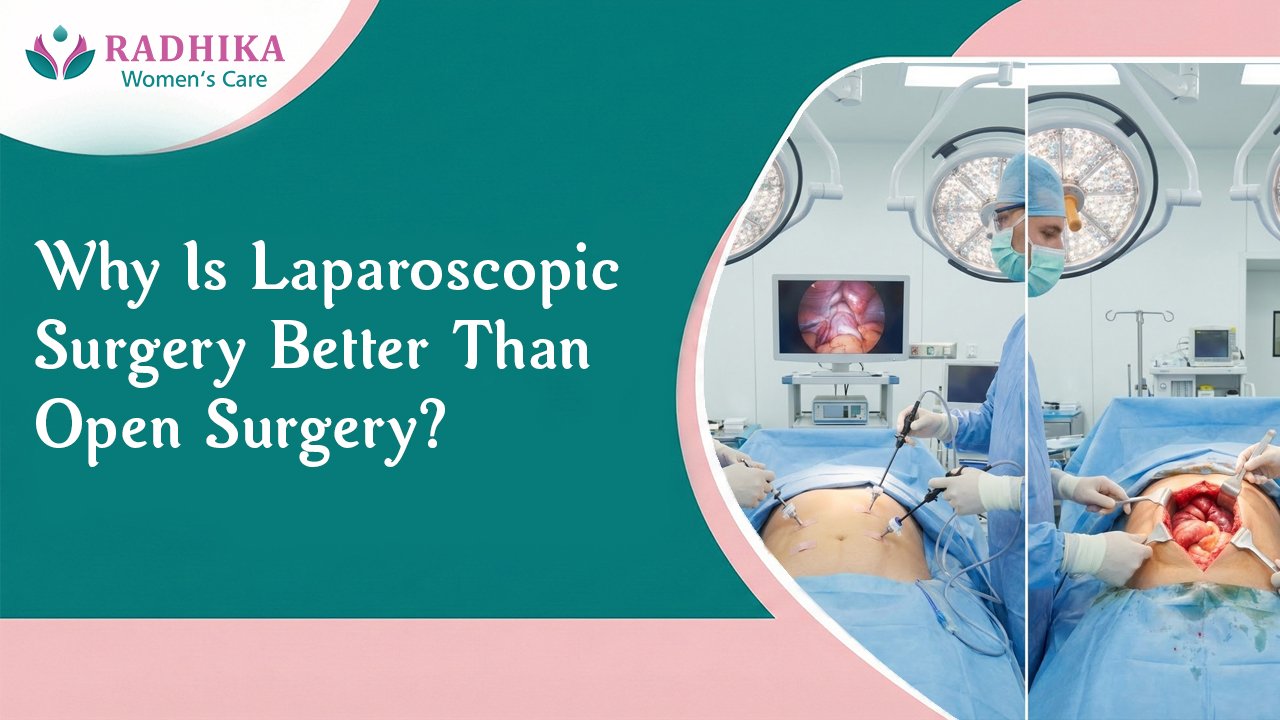
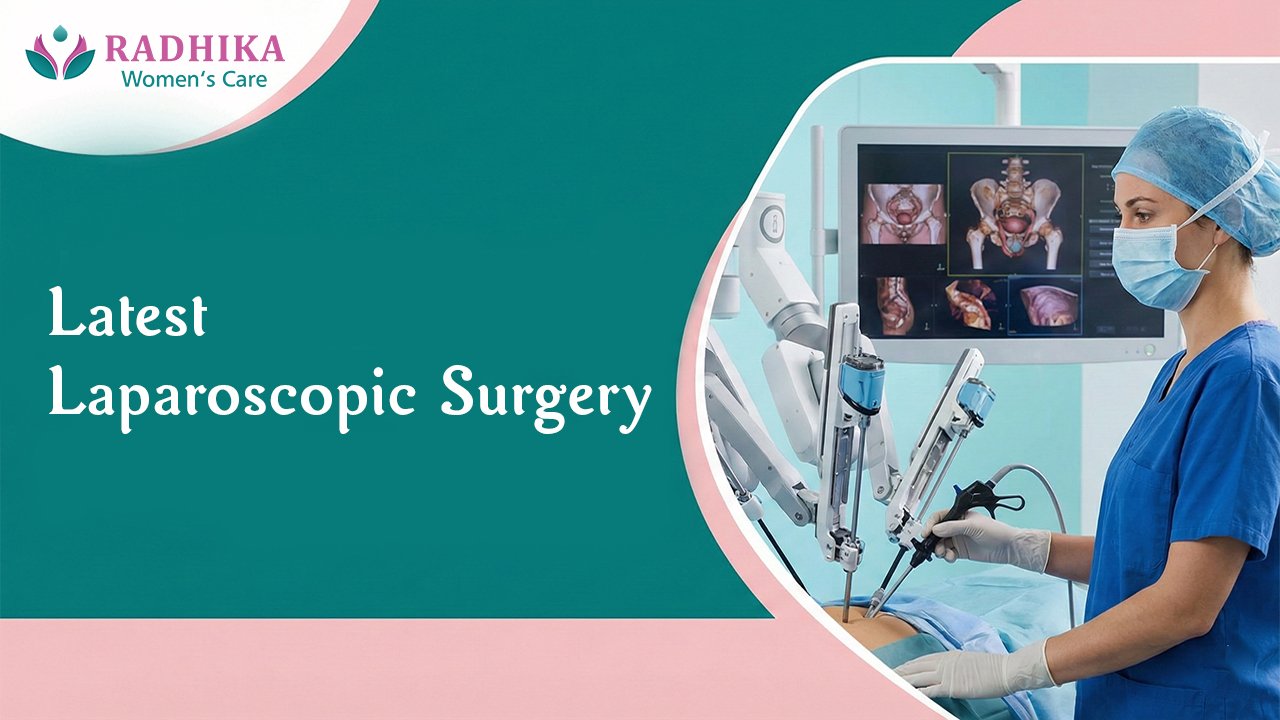
If you are asking what laparoscopic surgery is, it is a method where a surgeon operates through a few small incisions instead of one larger cut. A thin camera (laparoscope) shows the inside of your body on a screen, and long tools are used to do the work.
In many belly surgeries, the abdomen is gently filled with gas to create space so the surgeon can see better. Think of it like using a small camera to look inside a room without removing the whole door.
Common uses include gynecology (fibroids, ovarian cysts, endometriosis, hysterectomy) and general surgery (gallbladder removal, appendix surgery, and some hernia repairs).
Read more : What Is Laparoscopic Surgery? Procedure, Uses & Benefits
Advantages of Laparoscopic Surgery: Why many patients choose it
Many people prefer minimally invasive surgery because recovery can be easier. Research suggests that, for the right patient and procedure, results are strong and the return to normal life is often quicker. Below are the main advantages of laparoscopic surgery in plain terms.
Faster recovery and less pain (often fewer pain medicines)
Smaller cuts usually cause less tissue injury. That often means less pain after surgery. Many people can do light activities within a few days. With open surgery, recovery often takes longer, sometimes weeks, depending on the operation and your health.
You may still feel tired, sore, or bloated. You may also need pain medicine. But many patients need fewer strong pain medicines compared with open surgery.
Smaller incisions, minimal scarring, and lower wound problems
Because the incisions are small, scars are usually smaller too. Evidence shows smaller incisions can lower the chance of some wound problems, including certain infections. Still, any surgery can get infected.
You can lower risk by keeping the area clean, walking when your team says it is safe, and following wound care steps.
Shorter hospital stay and quicker return to daily life
For some procedures, going home the same day is common. For others, staying one night is normal. Your plan can change based on the type of surgery, your medical history, and how you feel afterward.
Disadvantages of Laparoscopic Surgery (लेप्रोस्कोपिक सर्जरी के नुकसान): What to know before you decide
The disadvantages of laparoscopic surgery are mostly about risks and whether it fits your case. The disadvantages of laparoscopy also depend on surgeon experience, the hospital team, and the equipment available. For many people, laparoscopy is safe, but it is not the best choice for every situation.
Possible complications (rare, but real)
All surgery has risks. Examples include bleeding, infection, injury to nearby organs, anesthesia problems, blood clots, and hernia at an incision site. There is also a chance your surgeon may need to switch to open surgery to finish safely.
A commonly asked question is whether it is safer than open surgery. The answer depends on your condition, your anatomy, and how complex the surgery is.
Not suitable for all cases and may take longer in some surgeries
Laparoscopy may not be ideal if you have severe scar tissue from past surgeries, a very large mass, an active infection, or certain cancer concerns. Some emergency situations may also need open surgery for speed or better access.
In some cases, laparoscopy disadvantages include longer operating time and a higher need for a skilled team and reliable equipment.
Read more : Why Is Laparoscopic Surgery Better Than Open Surgery?
Who is a good candidate for laparoscopic surgery?
You may be a good candidate if your health is stable, your condition fits the method, and imaging supports a safe plan. Surgeon experience also matters. Get urgent medical care if you have severe pain, heavy bleeding, fever, or fainting.
Questions to ask your surgeon:
- Which approach do you recommend for me, and why?
- How often do you perform this procedure laparoscopically?
- What are your complication and conversion-to-open rates?
- What recovery timeline fits my work and home duties?
FAQs
What is the success rate?
It depends on the procedure and your health. Success is often high for planned surgeries. Ask your surgeon for their outcomes, complication rates, and what “success” means for your case.
Is laparoscopic surgery painful, and how soon can you go home?
Pain is often less than open surgery, but you can still feel sore. Some people get shoulder pain from the gas used during surgery. Many go home the same day or the next day, depending on the procedure and how you recover, even when considering laparoscopy disadvantages.
Can it be done for all gynecological issues?
Not always. Many gynecology problems can be treated this way, and लेप्रोस्कोपिक सर्जरी के फायदे can be significant. But size, scar tissue, cancer concerns, and emergencies can change the plan.
Conclusion
Laparoscopic surgery can mean smaller scars and a faster recovery. It also has limits, and it carries real risks. The best choice depends on your condition and your surgeon’s skill. Ask for a clear plan, expected recovery steps, and written aftercare instructions. Contact Radhika Women’s Care for consultation.