
Epigastric Hernia Surgery at Radhika Women's Care
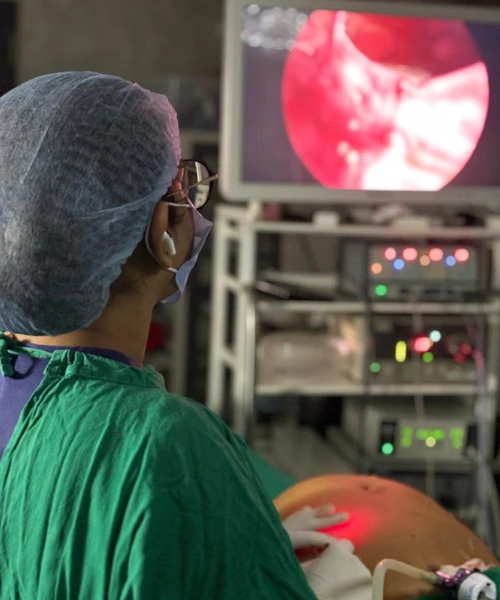
Epigastric hernia surgery at Radhika Women’s Care is a safe and effective procedure performed by expert surgeons to repair hernias occurring in the upper abdominal region. These hernias typically present as a bulge or pain between the belly button and the lower chest. At our clinic, we offer both open and laparoscopic techniques based on the patient’s condition and preferences. The surgery involves reinforcing the abdominal wall, often using mesh for added strength. We ensure thorough preoperative evaluation and personalized treatment planning.
Our state-of-the-art facility and compassionate care ensure a smooth surgical experience. Postoperative recovery is closely monitored with guidance on pain management and activity resumption. Most patients return to normal routines within a few days to weeks. At Radhika Women’s Care, your safety, comfort, and long-term health are our top priorities. Trust us for expert hernia care with a personal touch.
Benefits of Epigastric Hernia Surgery
Here are the key benefits of epigastric hernia surgery:
Permanent Relief from the bulge and discomfort caused by the hernia.
Prevention of Complications such as strangulation or obstruction of the intestines.
Improved Core Strength by repairing and reinforcing the abdominal wall.
Enhanced Quality of Life with reduced pain and improved mobility.
Minimal Recurrence Risk when the hernia is repaired properly, often with mesh.
Quick Recovery especially with laparoscopic (keyhole) techniques.
Improved Digestion and Comfort by relieving pressure on abdominal organs.
Better Aesthetic Appearance by correcting the visible bulge.
Customized Surgical Approach depending on the size and complexity of the hernia.
Peace of Mind knowing the condition has been treated safely and effectively.
At Radhika Women’s Care, we focus on providing all these benefits with personalized attention and expert surgical care.
Gallery



Post-Operative Care After
Epigastric Hernia Surgery
Here is a list of important post-operative care guidelines after epigastric hernia surgery to ensure smooth recovery and prevent complications:
Follow Medication Instructions – Take prescribed antibiotics and painkillers as directed by your doctor.
Rest Adequately – Allow your body time to heal by avoiding strenuous activity for at least 2–4 weeks.
Avoid Lifting Heavy Objects – Refrain from lifting anything heavier than 5 kg until cleared by your surgeon.
Keep the Surgical Site Clean and Dry – Follow wound care instructions to prevent infection.
Watch for Signs of Infection – Report any redness, swelling, pus, or fever to your doctor immediately.
Wear an Abdominal Binder (if advised) – It supports your abdomen and reduces discomfort while moving.
Gradually Resume Activities – Start with light walking to improve circulation and prevent blood clots.
Eat a Light, High-Fiber Diet – Prevent constipation by drinking plenty of fluids and eating fruits and vegetables.
Attend Follow-Up Appointments – Regular check-ups help ensure proper healing and early detection of any issues.
Avoid Smoking and Alcohol – These can delay healing and increase the risk of complications.
At Radhika Women’s Care, we provide detailed post-op instructions and continuous support to help you recover confidently and comfortably.

Get an appointment
Get treatment for all your mental healthcare needs.
Consult our expert doctors for safe, effective, and personalized laser treatments. Your health and comfort are our priority at Radhika Women’s Care.
Need more help?
We’re always here for you! If you have any questions or need assistance, feel free to reach out. Your health and well-being are our priority.

Call Us
+91 971-2200-665

Email Us
radhikawcare@gmail.com

Opening Hours
Monday – Saturday
(10:00 AM – 01:00 PM) &
(05:00 PM – 07:00 PM)
FAQ
What is an epigastric hernia?
An epigastric hernia occurs when fat or tissue pushes through a weak spot in the upper abdominal wall, between the belly button and chest.
Is surgery necessary for all epigastric hernias?
Surgery is usually recommended if the hernia causes pain, grows in size, or risks complications like strangulation.
What type of anesthesia is used during surgery?
Epigastric hernia surgery is typically performed under general anesthesia, ensuring the patient is asleep and pain-free during the procedure.
How long does recovery take after surgery?
Most patients recover within 2 to 4 weeks, although complete healing may take slightly longer depending on the individual and the surgical method used.
Will the hernia come back after surgery?
With proper surgical repair, especially when mesh is used, the recurrence rate is very low. Following post-operative care guidelines also helps prevent recurrence.
