When a woman is told she may need surgery, the first questions are usually simple: Will it hurt? Will there be a big scar? How long will recovery take? These worries are normal.
That is one reason minimally invasive gynecologic surgery is becoming more common. Recent 2024 to 2025 comparisons show shorter hospital stays with laparoscopy. One published analysis reported about 4.9 days for laparoscopy vs. 9.0 days for open surgery.
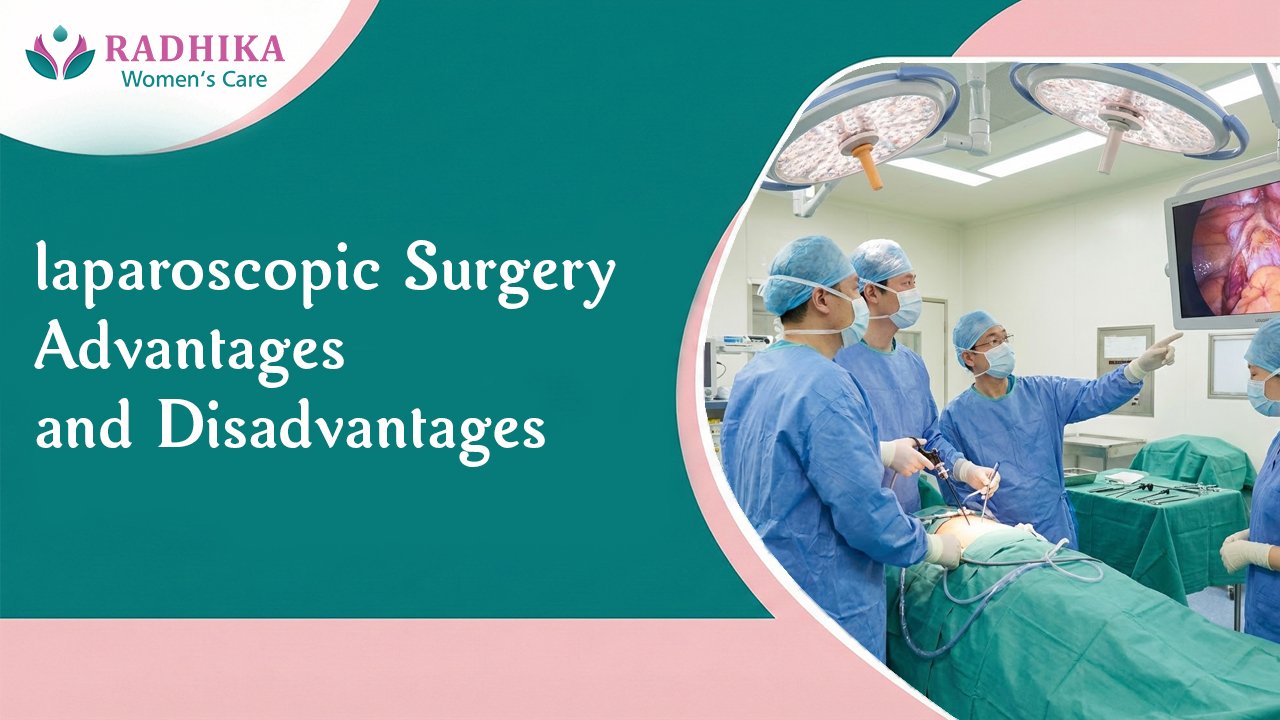
Laparoscopic surgery uses a few small cuts, a tiny camera, and long, thin tools. The surgeon looks at a screen and operates without making a large cut.
This guide explains the latest laparoscopic techniques used in gynecology and how they may affect recovery and scarring.
What is laparoscopic surgery ?
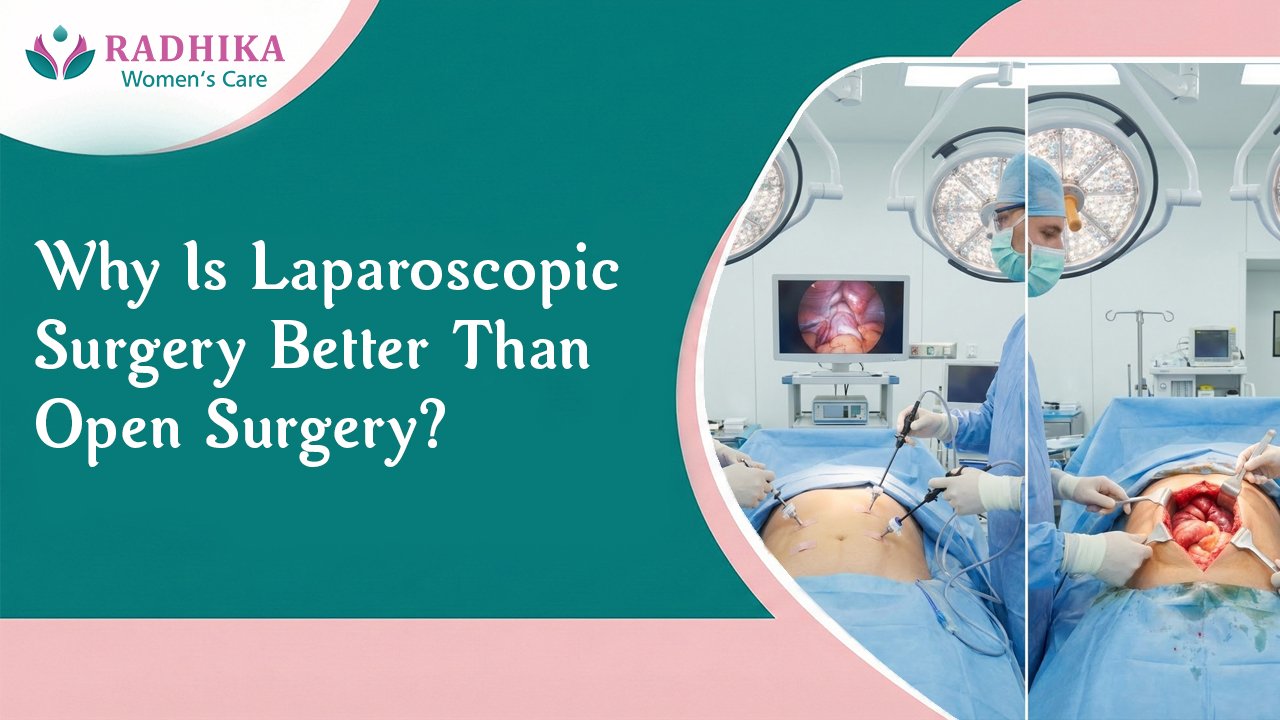
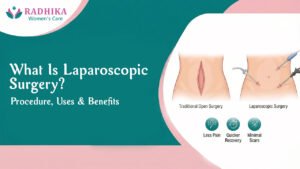
In gynecology, laparoscopic surgery usually starts with a few small cuts on the belly. The abdomen is gently filled with gas to create space. Then a camera shows the pelvic organs on a monitor while the surgeon treats the problem.
Open surgery uses one larger cut to reach the uterus or ovaries directly. This can lead to:
- More pain
- More wound-related risks
- A longer recovery time
Today’s newer laparoscopic options may include higher-quality cameras, robot support for certain cases, and approaches that leave fewer visible marks.
Benefits of modern laparoscopic surgery
Most women care less about the type of surgery and more about how they will feel after. Common benefits include:
- Faster recovery: many patients get back to normal routines sooner
- Smaller scars: tiny cuts, often hidden in natural skin folds
- Less need for strong pain medicine
- Lower risk of wound infection compared to large cuts
- Less blood loss in many procedures
- Shorter hospital stay: sometimes same-day discharge or one night, in selected cases
Safety always comes first. Your doctor will review your symptoms, exam, and scan reports to confirm if laparoscopy is right for you.
Latest laparoscopic surgery techniques used in gynecology
The best technique depends on your condition, past surgeries, body type, and the surgeon’s experience. In some cases, a smaller cut can mean a smoother recovery, but only when it is the right option for the right patient.
1) Single-Incision Laparoscopic Surgery (SILS)
One small cut, usually hidden in the belly button
SILS uses a single main opening, often through the navel. Many patients like it because the scar can be less visible. Some women may also feel more comfortable afterward.
However, SILS may not be the best choice for:
- Complex cases
- Heavy scar tissue (adhesions)
- Certain body types
Common uses include selected cases of:
- Laparoscopic hysterectomy
- Ovarian cyst removal
- Some prolapse-related procedures
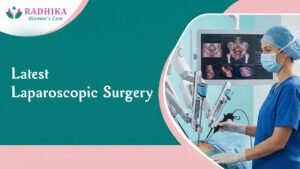
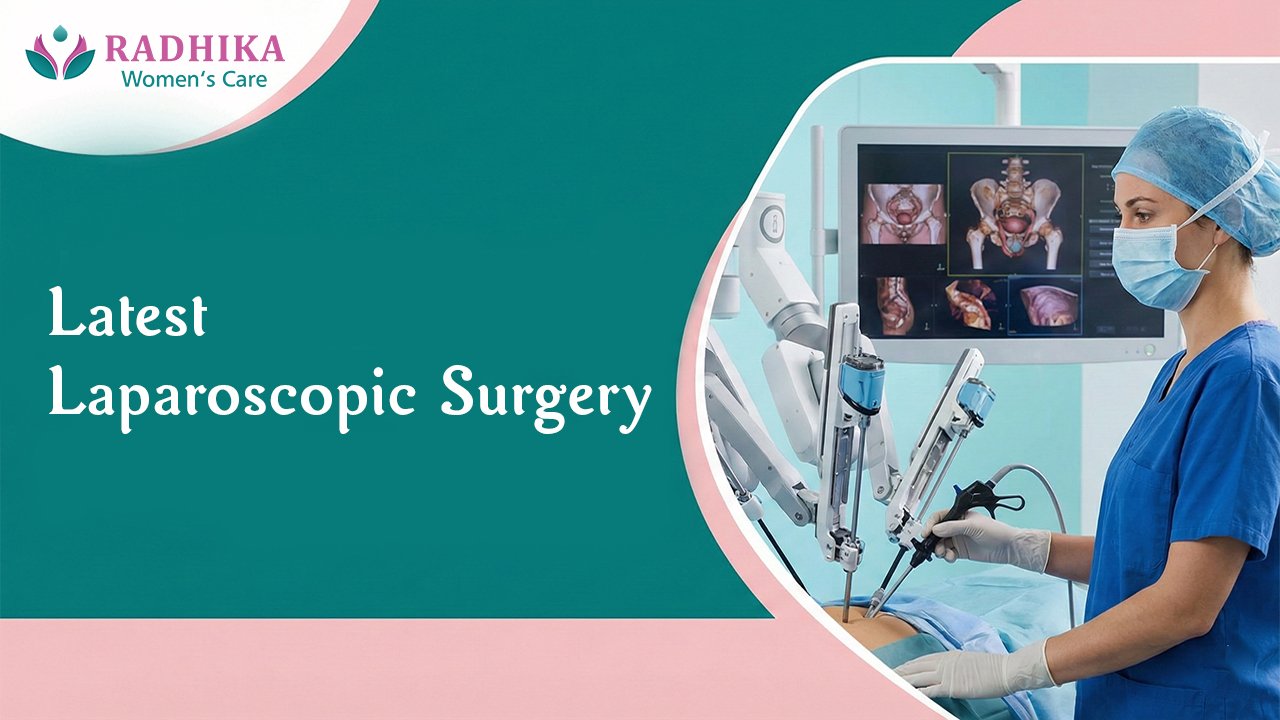
2) Robot-Assisted Laparoscopic Surgery (for complex cases)
More precise control, steadier movement, 3D view
In robot-assisted surgery, the surgeon controls special instruments that move like a wrist and provide a magnified 3D view. This can be helpful for difficult surgeries such as:
- Deep endometriosis
- Large fibroids
- Dense scar tissue
- Fertility-preserving myomectomy (fibroid removal)
- Selected cancer-related staging (when appropriate)
Many studies show patient-friendly benefits like less blood loss and shorter hospital stays, but results still depend on the case and the surgical team.
3) 3D Laparoscopy and Fluorescence Imaging
Clearer view for safer surgery
- 3D laparoscopy improves depth perception, so the surgeon can judge distance better and work more accurately.
- Fluorescence imaging uses a special dye and light to help certain structures stand out. In selected cases, it may help check blood flow or better identify important structures like the ureters.
4) ERAS (Enhanced Recovery After Surgery) Protocols
A recovery plan designed to help you heal faster
ERAS is a step-by-step plan used before, during, and after surgery. It often includes:
- Better nausea control
- Less reliance on opioid pain medicines
- Early drinking and eating when safe
- Early walking
- Planning for safe discharge (including same-day discharge for selected patients)
Common gynecological conditions treated with laparoscopy
Laparoscopy is used for many common gynecologic problems, such as:
- Fibroids: often treated with laparoscopic myomectomy
- Endometriosis: diagnosis and removal through laparoscopy
- Ovarian cysts: cystectomy (cyst removal)
- Hysterectomy: often total laparoscopic hysterectomy
- Pelvic organ prolapse: may be treated with laparoscopic or other minimally invasive methods
Many women ask, “Will this affect my fertility?” In many cases, the surgeon can plan treatment in a way that protects fertility, if that is your goal. Your final plan depends on your symptoms, age, exam findings, and family planning needs.
Why choose advanced laparoscopic surgery at Radhika Women’s Care in Surat, Gujarat?
Radhika Women’s Care focuses on clear counseling, patient comfort, and safe decision-making. The team supports modern surgical technology and evidence-based recovery planning for women in Surat, Gujarat, and nearby areas.
If you are searching for laparoscopic surgery in Adajan, you can book an appointment to discuss:
- The best treatment options for your condition
- Expected recovery time
- Possible risks and benefits
- Approximate costs (based on the procedure and case complexity)
Conclusion
Laparoscopic surgery keeps improving. Newer options like SILS, robot-assisted laparoscopy, 3D imaging, fluorescence support, and ERAS recovery plans can help many women heal with smaller scars and return to daily life sooner.
To understand what fits your condition, schedule a contact at Radhika Women’s Care. Always follow the advice of a qualified healthcare provider for diagnosis and treatment.