laparoscopic surgery, what is laparoscopic surgery, benefits of laparoscopic surgery, keyhole surgery, why is laparoscopic surgery done, laparoscopic surgeon meaning,laparoscopy surgery, what is laparoscopic surgery, lactoscope surgery, laparoscopy purpose, laparoscopic surgery time, laparoscopic surgery in adajan
Laparoscopic surgery is a type of keyhole surgery where your doctor makes a few tiny cuts in your belly, places a thin camera inside, and uses slim instruments to treat problems without a large incision. This helps reduce pain, scarring, and hospital stay, and often gives you a quicker, safer recovery.
You might worry about surgery because of pain, big scars, or weeks away from work. That fear is very human, especially when you are already dealing with heavy periods, pelvic pain, or fertility stress.
With laparoscopic surgery, your surgeon uses tiny openings, a camera, and special tools so your body goes through less trauma and your recovery feels more manageable. In this guide, you will see how it works, why it is used in women’s health, the main benefits, recovery basics, and how to know if it is right for you.
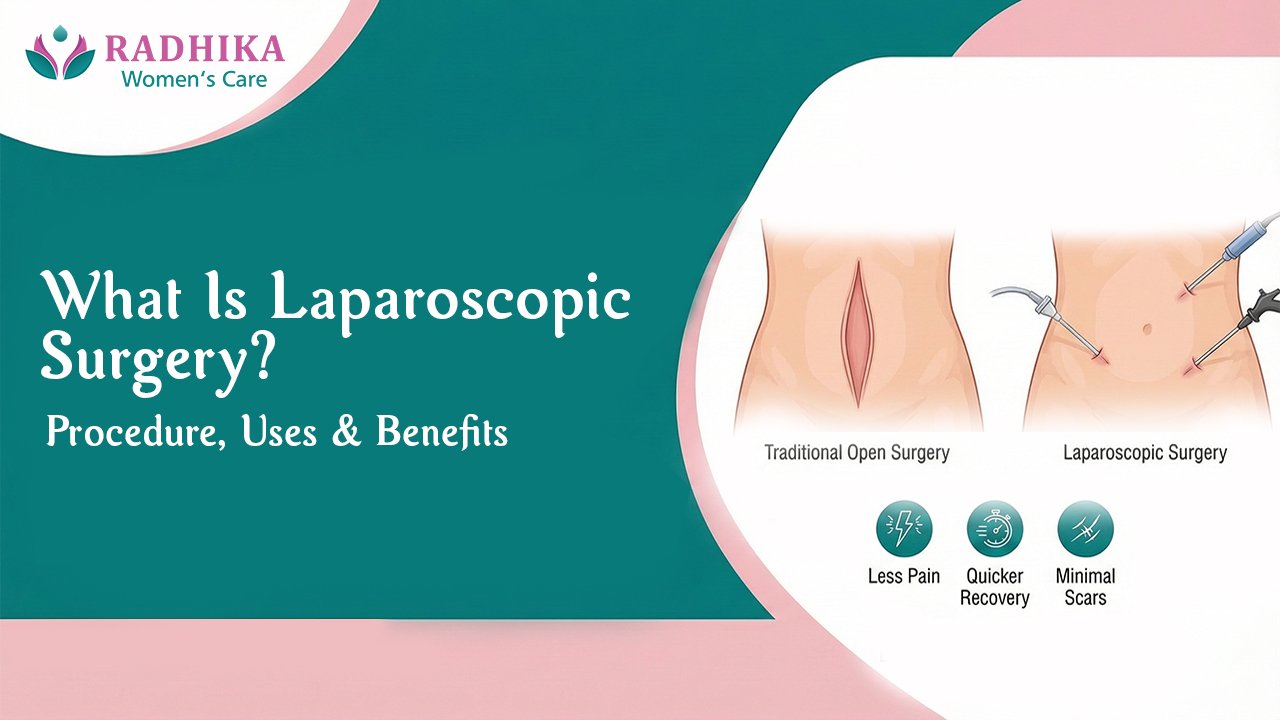
A simple diagram of the small keyhole cuts and camera position can be very comforting here, because it turns an unknown idea into something you can picture.
What Is Laparoscopic Surgery?
Laparoscopic surgery, sometimes called laparoscopy surgery, is a minimally invasive technique that uses small cuts instead of one long opening. It belongs to a group of procedures often called keyhole surgery.
The laparoscopic surgeon’s meaning is simple: a doctor trained to operate using a camera and thin tools through these tiny cuts. Some people say “lactoscope surgery” by mistake, but it refers to the same type of laparoscopy. This method is widely used in women’s health to diagnose and treat problems in the uterus, tubes, and ovaries.
How Does Laparoscopic Surgery Work? (Step-by-Step Procedure)
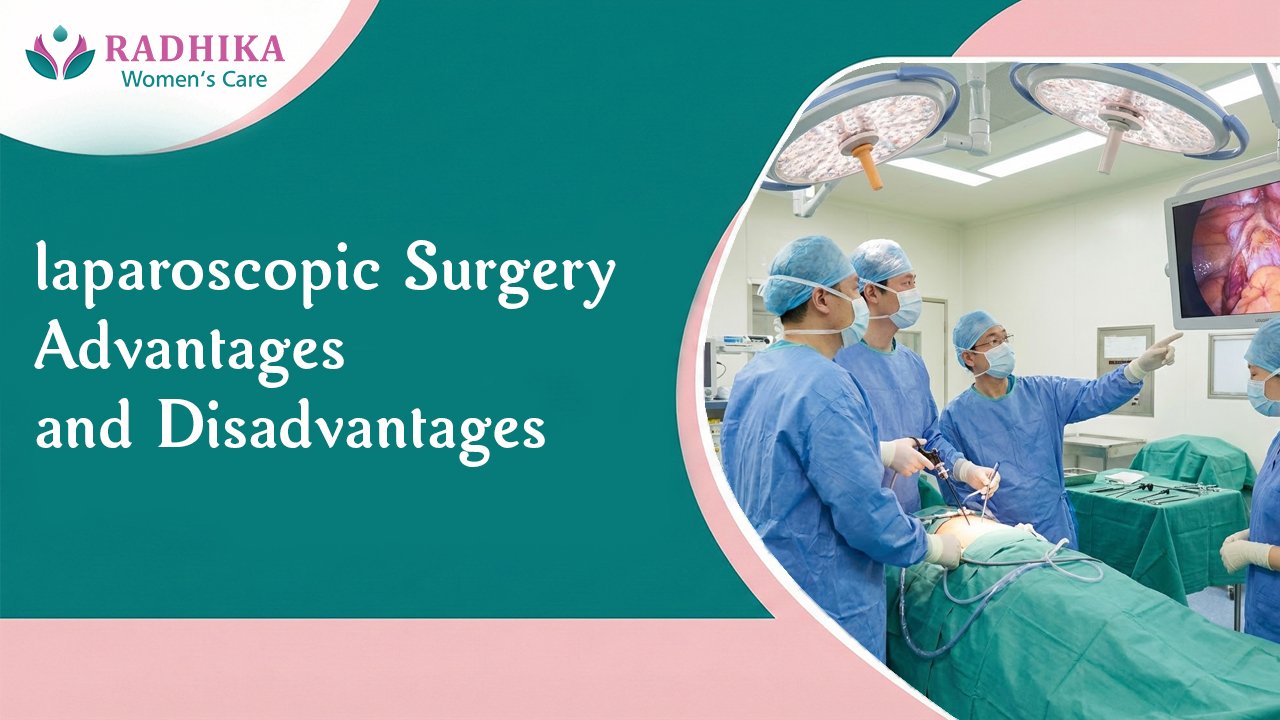
On the day of your procedure, you have general anesthesia, so you sleep through the surgery and feel no pain. Your surgeon makes a small cut near your belly button, gently fills your belly with gas so there is space to see, then places the camera inside.
Next, two or three smaller cuts allow slim instruments to go in and do the actual work. The camera shows a clear, enlarged view on a screen, so your surgeon can be very precise. Typical laparoscopic surgery time for many gynecologic procedures is about 30 minutes to 2 hours, depending on what is being treated. Modern equipment and careful training make this approach safe for many women.
What Are the Main Uses in Women’s Health?
The main laparoscopy purpose in women’s health is to find and treat causes of pain, bleeding, or fertility problems while keeping your recovery gentler. Common reasons why laparoscopic surgery is done include:
- Endometriosis diagnosis and treatment
- Removal of fibroids or ovarian cysts
- Fertility procedures and tubal surgery
- Checking causes of pelvic pain or infertility
At centers like Radhika Women’s Care, including laparoscopic surgery in Adajan, this method is often chosen when it is safe and fits your goals.
Key Benefits of Laparoscopic Surgery Compared With Traditional Surgery
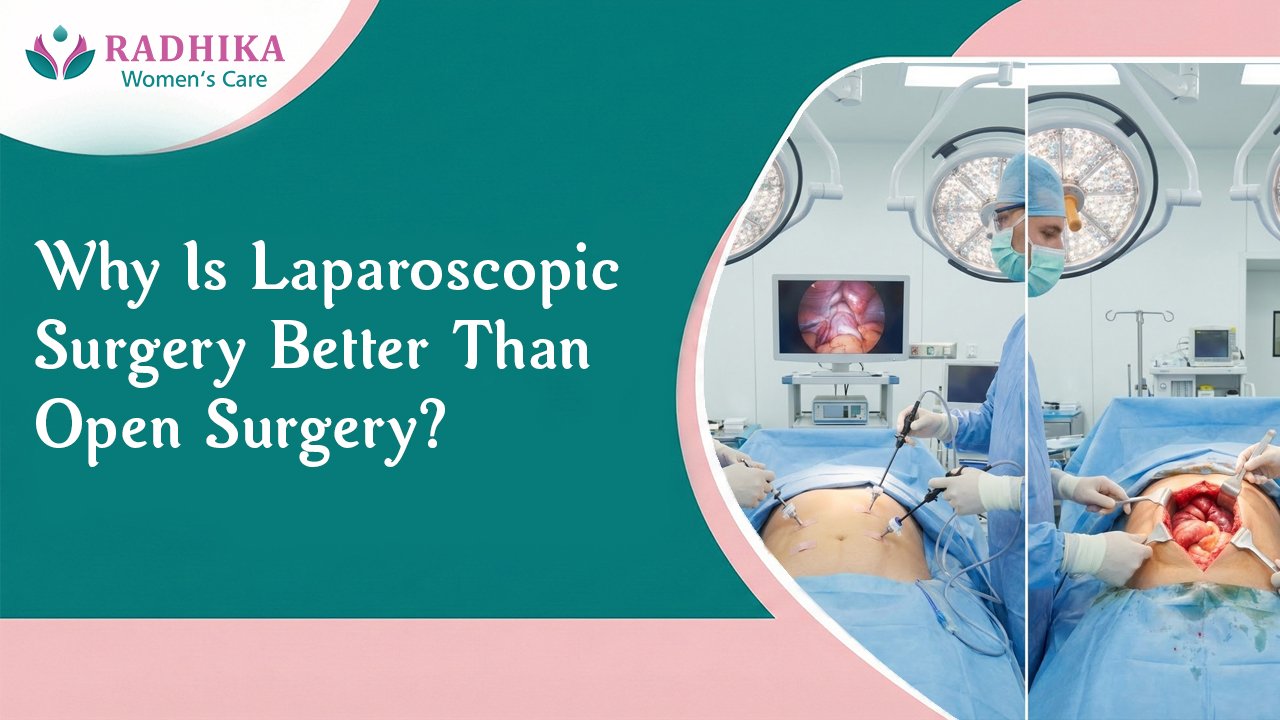
Unlike traditional open surgery that uses one long cut, keyhole surgery usually causes less stress to your body. That often means you can get back to your life sooner, with less fear about scars and pain.
Key benefits of laparoscopic surgery include:
- Smaller, more discreet scars
- Less pain after surgery
- Less blood loss
- Lower risk of wound infection
- Faster recovery and return to daily tasks
- Shorter hospital stay in many cases
Research shows many women return to light activities in about 1 to 3 weeks after laparoscopy, compared with about 4 to 6 weeks after open surgery. Success rates for common gynecologic procedures are similar when an experienced laparoscopic surgeon like Dr. Radhika Patel performs your procedure.
What to Expect After Laparoscopic Surgery and During Recovery
Right after surgery, you wake up in the recovery room feeling sleepy, with small bandages on your belly. Mild belly pain or a strange ache in your shoulder tip is common, and it usually improves with walking and pain medicine.
Most women either go home the same day or stay one night, depending on the laparoscopic surgery time and complexity. At home, you can expect to feel tired for several days. Gentle walking, deep breathing, and taking your pain relief as advised all support your recovery.
How Long Does Recovery Take and When Can You Get Back to Normal?
For many gynecologic procedures, you go home the same day or after 1 to 2 nights in the hospital. Most women are back to light activities or desk work in about 1 to 3 weeks.
Heavier exercise, lifting, or very physical jobs usually wait longer, depending on the exact surgery and your health. Open surgery often needs around 4 to 6 weeks before similar activity is safe. Your body is unique, so your surgeon’s advice always comes first.
Is Laparoscopic Surgery Right for You?
Whether keyhole surgery is a good option for you depends on several factors: your exact diagnosis, the size and number of fibroids or cysts, any past surgeries, your general health, and your plans for pregnancy. In some cases, open surgery still offers the safest path.
A one-on-one visit with a specialist, such as Dr. Radhika Patel at Radhika Women’s Care, helps you weigh the benefits and limits of laparoscopic surgery in your personal situation and build a plan that respects both your body and your life.
Conclusion
Laparoscopic surgery is a gentle form of keyhole surgery that uses tiny cuts, a camera, and fine instruments so you can have less pain, smaller scars, and a faster recovery than with traditional open surgery. For many women with fibroids, cysts, endometriosis, or fertility concerns, it offers strong results with less disruption to daily life.
When an experienced laparoscopic surgeon guides your care, safety and success rates are generally comparable to open procedures, often with fewer days in the hospital. If you are unsure whether this approach fits your needs, you can schedule a calm, detailed consultation at Radhika Women’s Care to talk through options. You do not have to face this decision alone, and you deserve a plan that helps you feel informed, supported, and hopeful.